Desktop
Responsible packaging for a responsible future
We Make. We Supply. We Deliver
Mobile/Tablet
Responsible packaging for a responsible future
We Make. We Supply. We Deliver
MENU

Desktop
Responsible packaging for a responsible future
We Make. We Supply. We Deliver

Mobile/Tablet
Responsible packaging for a responsible future
We Make. We Supply. We Deliver

Honest isn’t about perfect solutions it’s about helping people make better choices.
Honest isn’t about perfect solutions it’s about helping people make better choices.
End-User Disposal Guidance
Make sure the cup is empty. No need to wash. Just ensure no liquid remains before disposal.
Route A: If your site has a dedicated paper cup recycling bin or works with a specialist cup recycling scheme, place the cup in the cup recycling bin. These schemes are designed to correctly process paper cups, including aqueous-coated cups. Visit cuprecyclingscheme.co.uk to find collection points.
Route B: If the site has a food waste / composting collection bin in place, place the cup in the composting stream. Our aqueous coating can also be home composted where facilities allow.
Steps at Home →If no specialist cup recycling or composting is available, use general waste. This is the correct choice to avoid contaminating other recycling streams. When in doubt, don't guess.
Residential Disposal Guide
Check your local rules to see if they accept EN 13432 certified materials in food waste bins. Every council uses different processing facilities.
Find your council →Tear the cup into small pieces to help the breakdown process. Our aqueous coating is designed for well-maintained home compost heaps.
Composting tips →Unsure about your local collection? Use the national locator to ensure you aren't contaminating the mixed recycling stream.
Recycle Locator →
An aqueous coating is a water-based latex emulsion applied to the inside of a paper cup to make it waterproof.
There is currently no disposable cup that is completely plastic-free.
Any cup designed to hold hot liquid needs a barrier of some kind.
Hot paper cups are recyclable as a material, but recycling depends on local collection. Unless collected in a separate cup disposal waste stream, they are usually removed during sorting. Placing them in the wrong bin can do more harm than good.
We don't believe in fairy tales. Recycling is complex, and the best intentions often lead to contamination. Here is the honest truth on how to handle your cup.
"We follow the same simple, practical steps promoted by specialist cup recyclers. No greenwashing, just the facts."
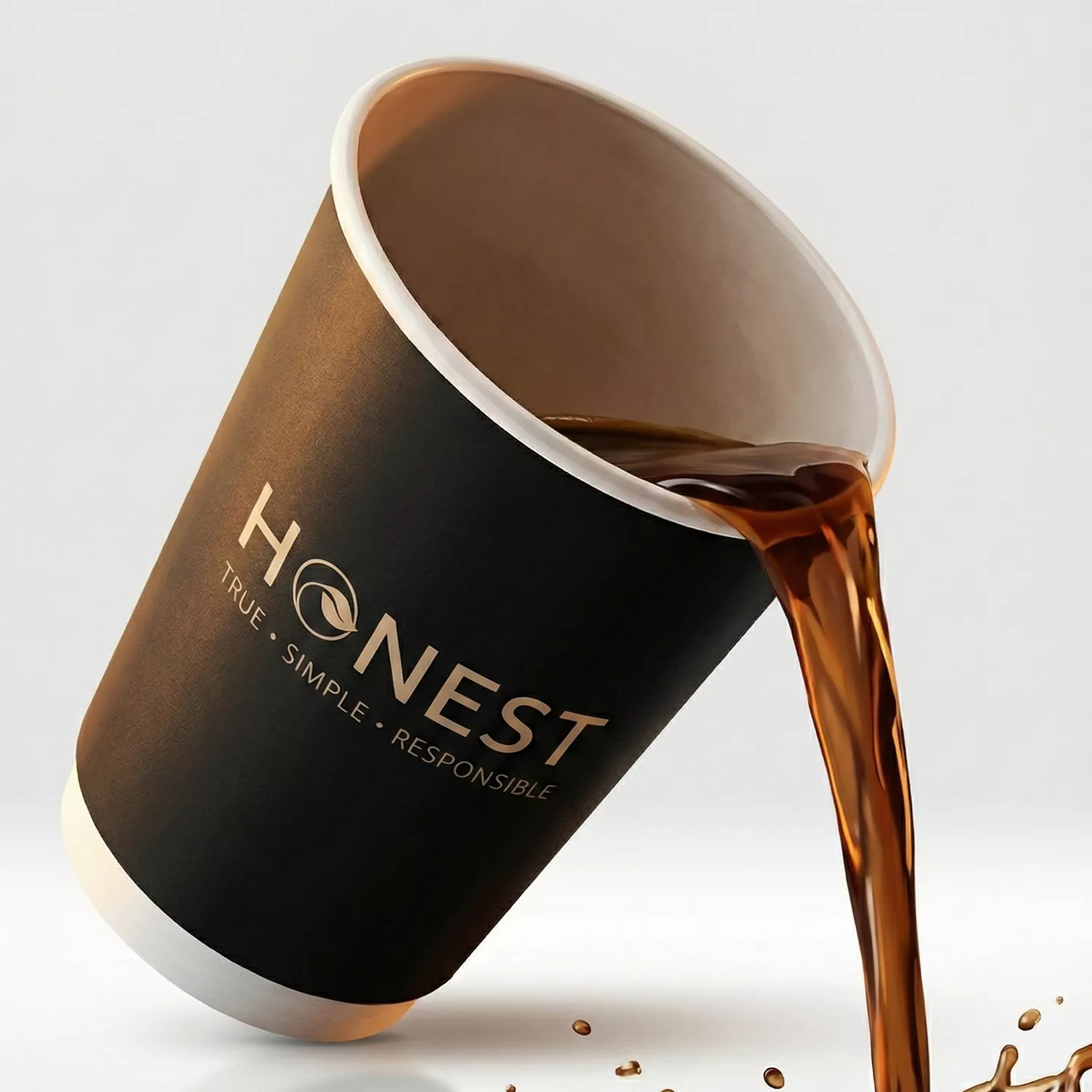
Step 01
Make sure the cup is completely empty. Liquid left inside can ruin entire batches of recycled paper and lead to landfill.
No need to wash or rinse
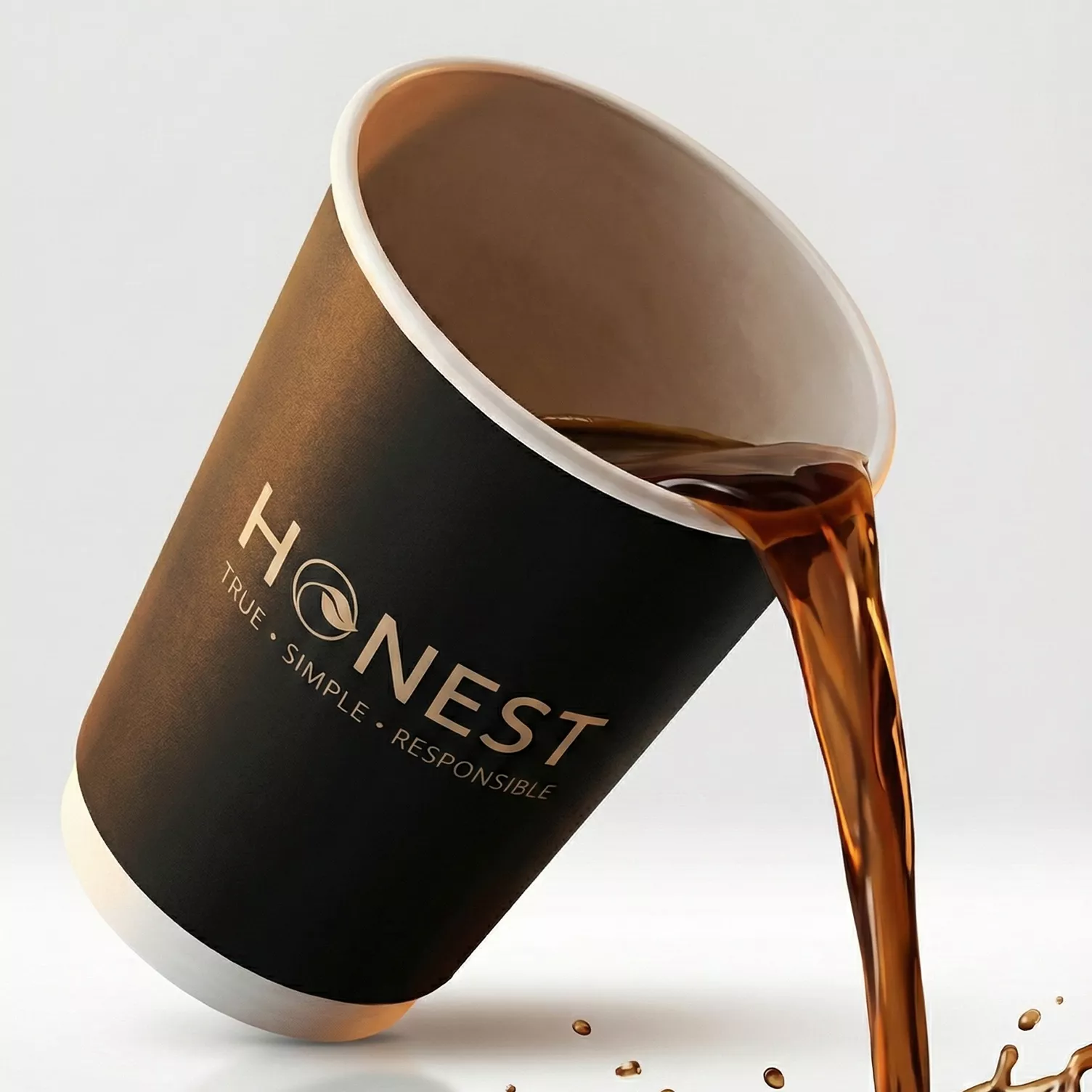
Step 01
Make sure the cup is completely empty. Liquid left inside can ruin entire batches of recycled paper and lead to landfill.
No need to wash or rinse
Step 01
Make sure the cup is completely empty. Liquid left inside can ruin entire batches of recycled paper and lead to landfill.
No need to wash or rinse
Does the site support specific processing? Look for specialist bins provided by schemes like the National Cup Recycling Scheme.
Specialist bins for aqueous-lined cups. Often found in major transit hubs and high-street coffee chains.
Industrial composting or food waste streams. Aqueous-lined cups are designed to break down in these organic environments.
Final Step 03
If neither Route A nor Route B is available, the most responsible action is general waste. Do not put the cup in the standard mixed paper bin.

Final Step 03
If neither Route A nor Route B is available, the most responsible action is general waste. Do not put the cup in the standard mixed paper bin.
Our cups use a water-based lining that simplifies the recycling process compared to traditional plastic-lined cups.
Learn about the tech →Find specialist cup recycling points near you across the UK.
Visit Cup Recycling Scheme →Deep dives into composting, waste management, and the future of circular packaging.
Read our latest →