Desktop
Responsible packaging for a responsible future
We Make. We Supply. We Deliver
Mobile/Tablet
Responsible packaging for a responsible future
We Make. We Supply. We Deliver
MENU

Desktop
Responsible packaging for a responsible future
We Make. We Supply. We Deliver

Mobile/Tablet
Responsible packaging for a responsible future
We Make. We Supply. We Deliver

Honest isn’t about perfect solutions it’s about helping people make better choices.
Honest isn’t about perfect solutions it’s about helping people make better choices.
Only better decisions — based on how materials behave, how systems work, and what actually happens after disposal.
Introducing Aqueous
A different approach to a liquid sealing layer.
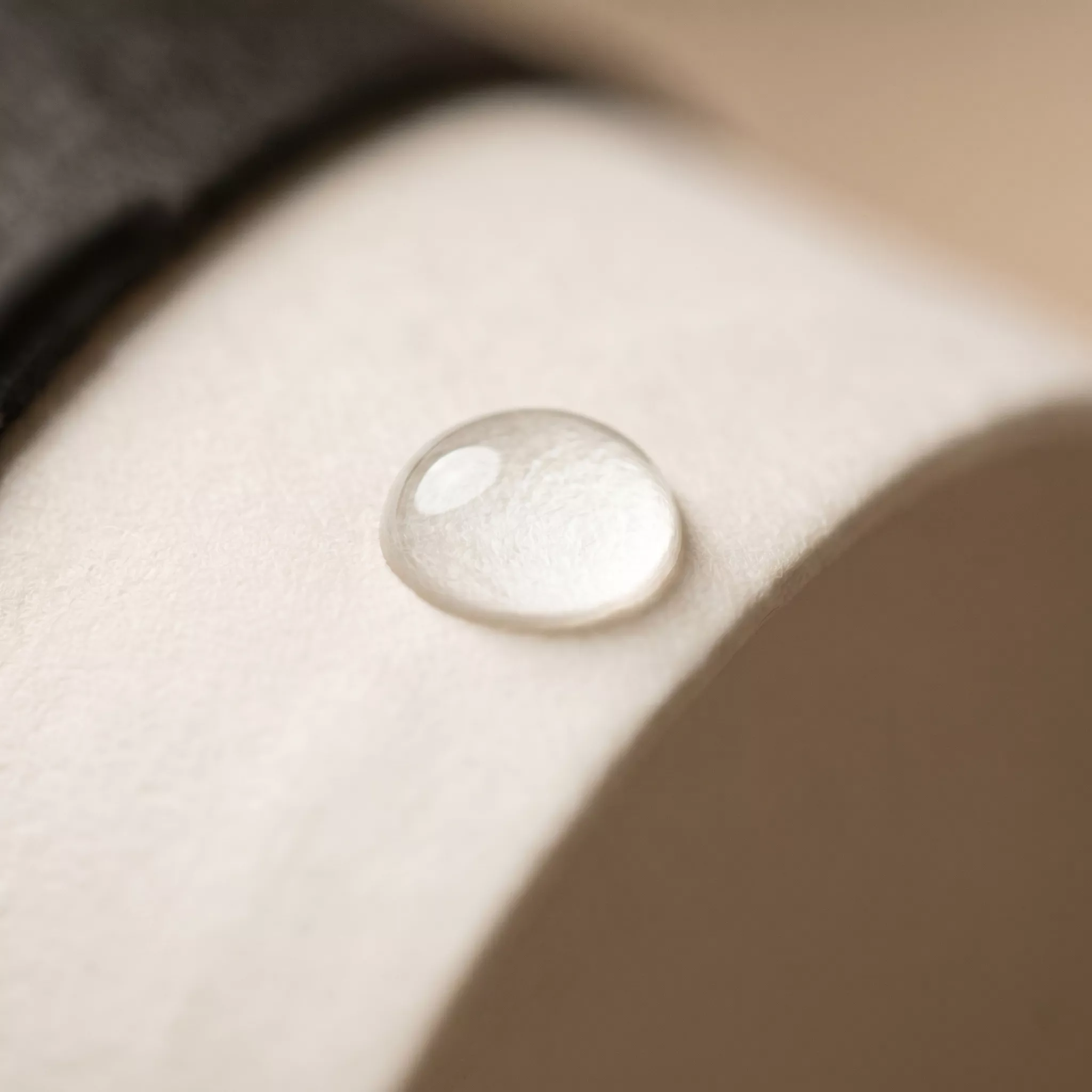
HONEST Aqueous — double wall cup
The context
All disposable cups need a liquid sealing layer. Without it, they wouldn't hold liquid. Traditionally, that layer has been plastic — either PE or PLA lining.
Aqueous technology takes a different approach. Instead of forming a separate plastic layer, Aqueous is applied more like a coating — behaving like a paint or pigment, soaking into the paper fibres rather than sitting on top.
How it's different
Traditional PE / PLA
← separate plastic layer sits on top
Aqueous coating
← soaks into the fibre, no separate layer
HONEST Aqueous cups are
Home compostable*
Commercially compostable
Recyclable in the correct waste stream
*Certified home compostable when composted under recognised home composting conditions
Let's be clear
Aqueous is not plastic-free. It still contains a small amount of polymers and must be treated as such.
The difference isn't perfection
It's about creating a liquid sealing layer that:
Aqueous doesn't remove the problem. It approaches it differently and responsibly.
Clearing up the confusion
“Plastic-free” — if it sounds too good to be true, it probably is.
“Plastic-free” is one of the most powerful claims used in food and drink to-go packaging. It's also one of the most misunderstood.
Many cups — particularly those using Aqueous coatings — are marketed as plastic-free, when still containing polymers. This matters because, if it contains polymers, it contains plastic.
So how do these claims exist? It comes down to how materials are certified and reported.
The grey area
Current guidance under the Single-Use Plastics Directive recognises that polymers used in inks, adhesives and coatings can, in certain cases, be treated differently when they form part of a product's structure rather than a distinct plastic layer.
Aqueous coatings integrate into the paper fibres rather than forming a separate plastic lining — so they can be interpreted similarly to inks within existing certification frameworks.
However, Aqueous coatings still contain polymers, meaning they are not technically plastic-free under the Directive.
The numbers
Polymer content per cup
Approximate grams of polymer per standard 8oz cup
Figures are approximate and based on a standard double-wall 8oz cup. Polymer content will vary by manufacturer and cup specification. The point is directional — not absolute.
The result
False claims
Products positioned as plastic-free… but aren't
Confusion
For customers, consumers and disposal
Eroded trust
In sustainability claims across the industry
The HONEST approach
We don't use the term “plastic-free” for Aqueous cups because it's not accurate.
There is no fully plastic-free disposable paper cup that performs as a hot drinks cup today. And suggesting there is doesn't help anyone make better and responsible decisions.
The reality of recycling
The problem isn't just the cup. It's what happens after.
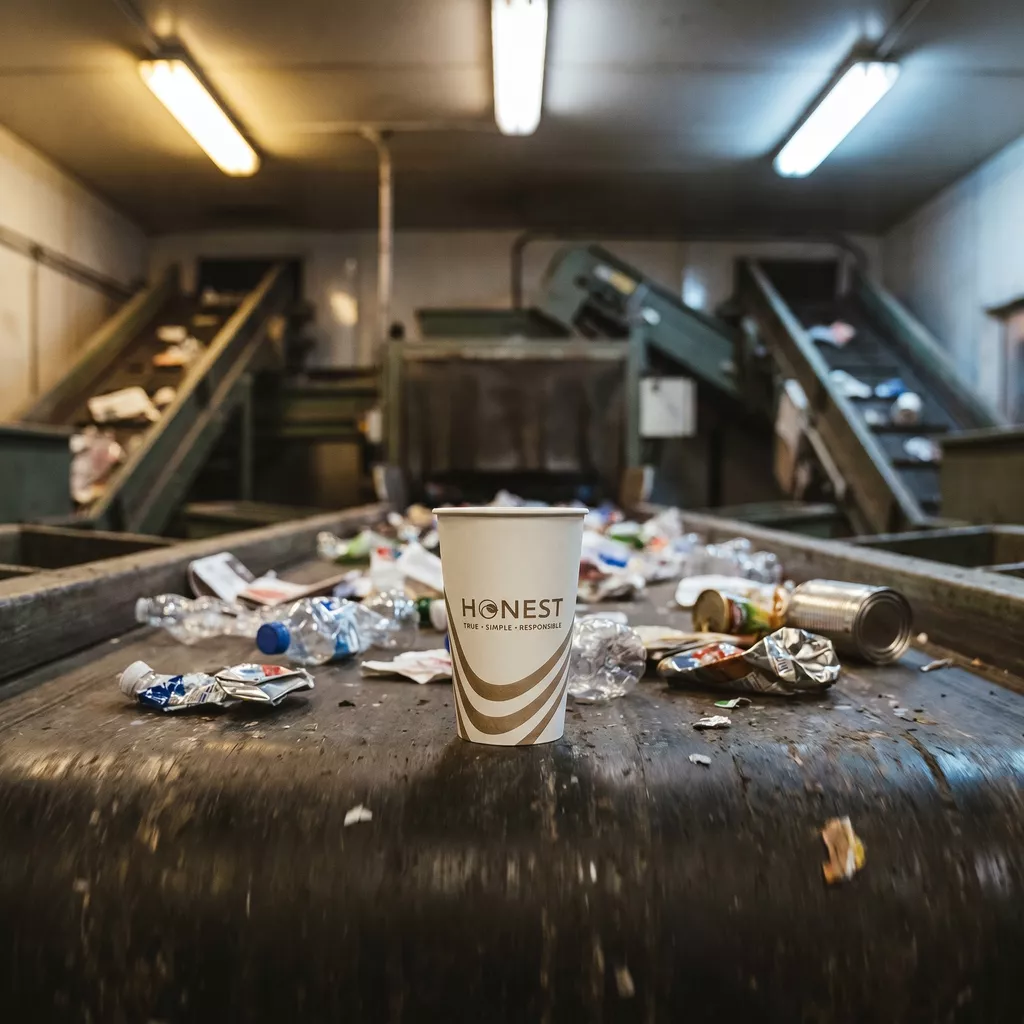
Paper cups are often seen as recyclable or compostable. In reality, it's more complicated. Every paper hot cup has a liquid sealing layer — whether PE, PLA or Aqueous. These barriers make it difficult to process through standard paper recycling systems.
The challenge isn't the material itself. It's the system — or lack of one — waiting on the other side of the bin.
The cup alone doesn't determine the outcome. The waste system does.
What actually happens in the UK
That's why putting a cup in a standard recycling bin often doesn't work.
So what does work?
Cups can be recycled — but only when:
Even compostable solutions face challenges.
~7 million
cups used every day in the UK — most are not recycled through standard systems
That's why HONEST focuses on
Working with
existing waste streams
Clear guidance
on proper disposal
Better outcomes
in the real world
Because disposal isn't about intention — it's about infrastructure.
Understanding cup linings
It's not about the material. It's about what happens next. Every cup needs a liquid sealing layer — PE, PLA or Aqueous — and each one can be part of a responsible solution when understood and used in the right system.
The established standard
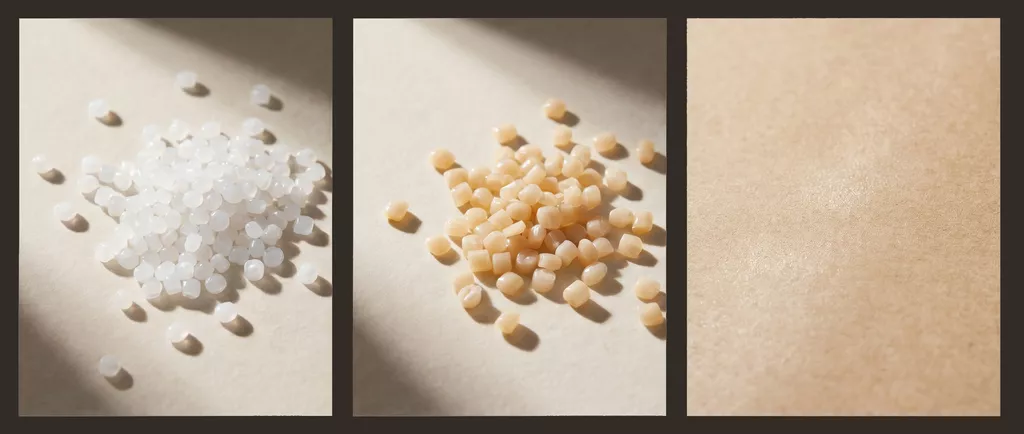
The most established lining.
PE is often criticised for being fossil-fuel based plastic, although it's the most widely supported material in current recycling infrastructure.
Plant-based alternative
A renewable plant based alternative.
What's less widely known:
PLA-lined cups can also be recycled similar to PE as the lining can be separated from the paper. The limitation isn't the material itself — it's whether the correct disposal and collections are in place.
A different approach
Applied as a coating rather than a bonded lining.
HONEST Aqueous cups are:
Home compostable means they naturally break down over time, when composted under recognised home composting conditions. But clarity matters: Aqueous is not plastic-free, and its impact depends on disposal.
So what actually matters?
PLA
Only composts if it reaches the right facility
PE or PLA
Can be recycled with correct separation
Aqueous
Offers flexibility and a greater chance of responsible end of life
The HONEST view
— No lining is perfect
— No system works everywhere
— No single material solves everything
The most responsible choice is the one that works with your waste stream, not against it.