Desktop
Responsible packaging for a responsible future
We Make. We Supply. We Deliver
Mobile/Tablet
Responsible packaging for a responsible future
We Make. We Supply. We Deliver
MENU

Desktop
Responsible packaging for a responsible future
We Make. We Supply. We Deliver

Mobile/Tablet
Responsible packaging for a responsible future
We Make. We Supply. We Deliver
Quick Summary: Bagasse is a fibrous byproduct of sugarcane production used to create compostable, plastic-free food packaging. It is a high-performance alternative to polystyrene, offering thermal stability from -20°C to 120°C and natural grease resistance without the need for synthetic liners.
In the UK, the transition away from single-use plastics is driven by the Plastic Packaging Tax and the Green Claims Code. For food service businesses, finding a compliant, high-performance material is critical.
Bagasse (derived from the botanical entity Saccharum officinarum) has emerged as the industry standard for sustainable, plant-based disposables. Here is why it is the superior choice for professional takeaway operations.
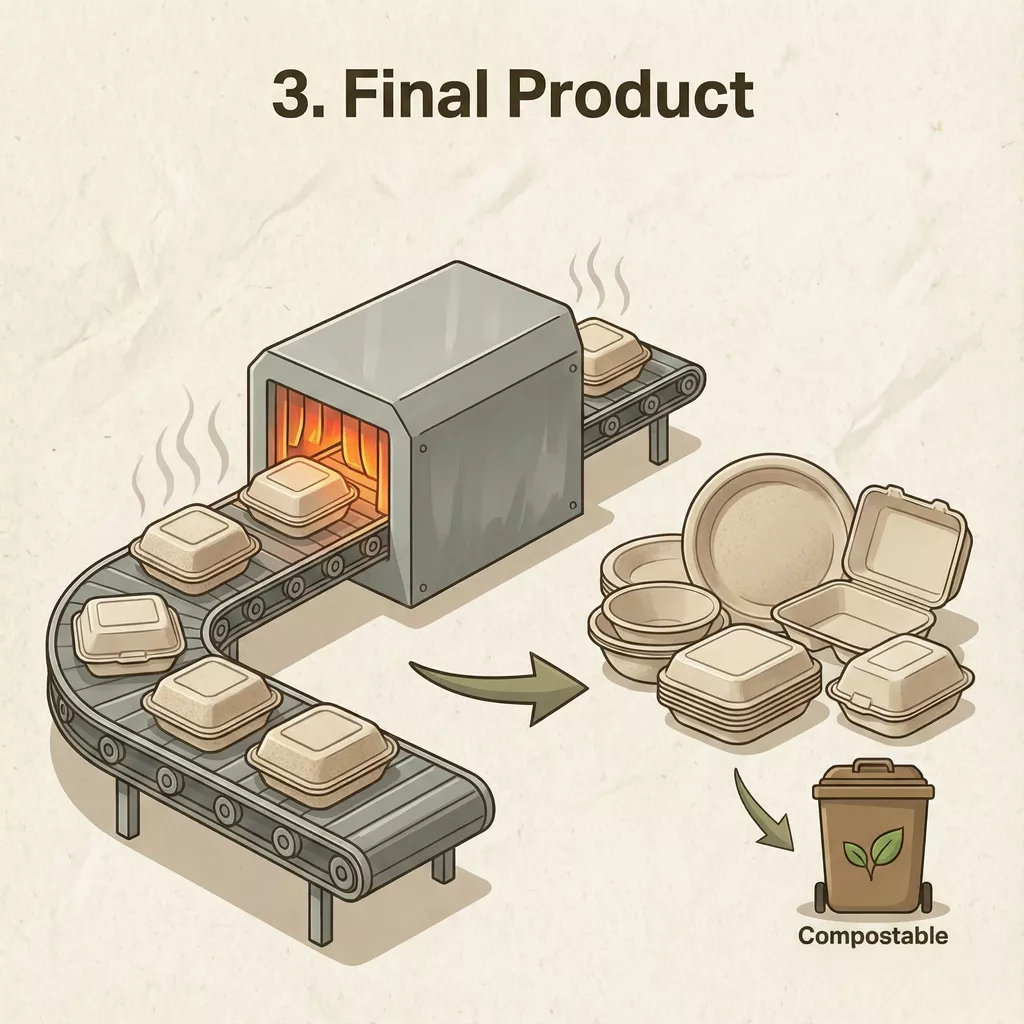
Unlike "degradable" materials that break down into microplastics, certified Bagasse is industrially compostable. It meets the European Standard EN 13432, meaning it will disintegrate in a professional composting facility within 90 days, returning to the soil as organic matter.
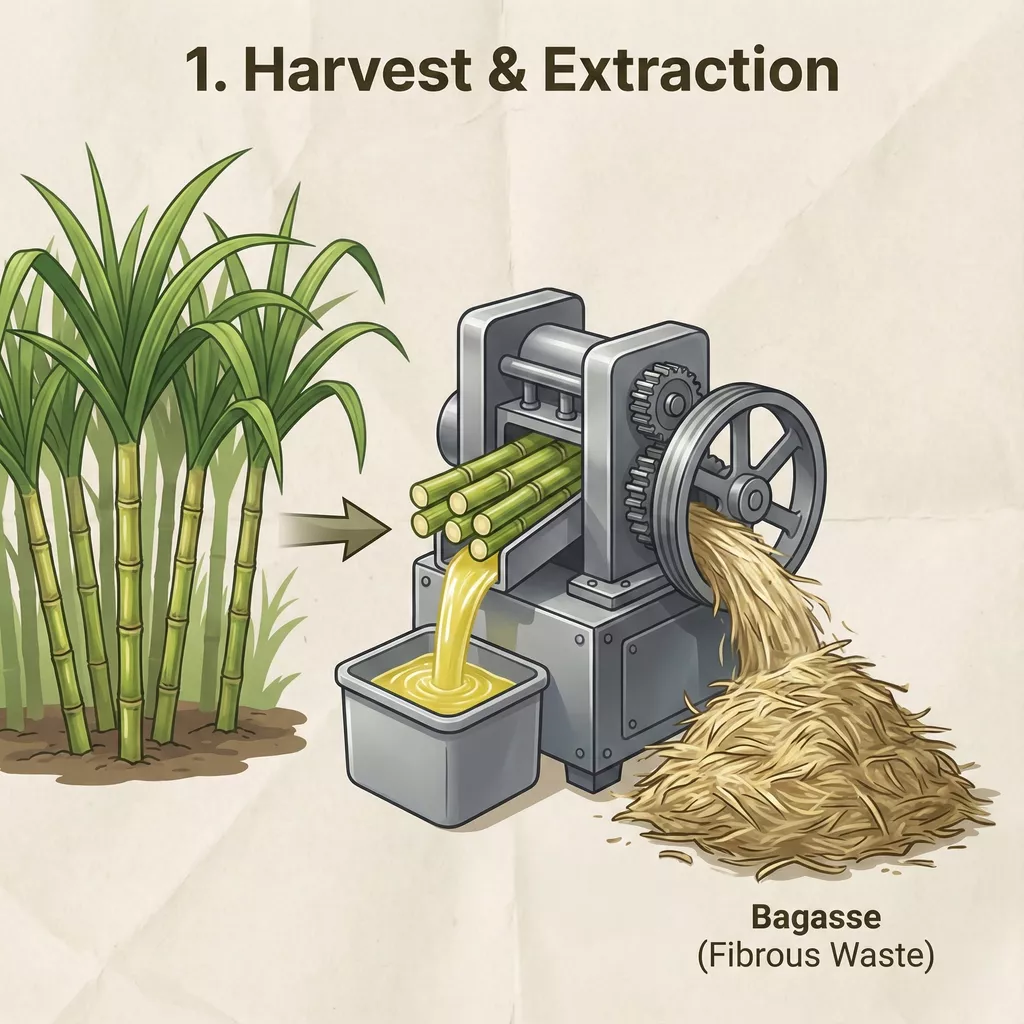
Bagasse is a "waste" product of the sugar industry. By repurposing the stalks after the juice is extracted, we utilize a resource that would otherwise be incinerated. This supports a circular economy and requires zero additional land use or virgin timber.
One of the most frequent searches is "Is Bagasse microwave safe?" The answer is yes. Bagasse maintains structural integrity at higher temperatures than PLA or PET plastics. It is:
Bagasse is naturally semi-porous. This allows it to "breathe," letting steam escape while retaining the heat of the food. For UK takeaways serving fried foods or burgers, this prevents the condensation buildup common in plastic containers, keeping food crispy during transit.
Despite being a natural fibre, Bagasse is naturally resistant to oils and fats. Most high-quality Bagasse products are now PFAS-free, providing a barrier against leaks without the use of "forever chemicals" or plastic (PE) linings.
By using 100% plant-based Bagasse, UK businesses avoid the £217.85 per tonne Plastic Packaging Tax (rate as of 2024/25) applied to packaging with less than 30% recycled plastic. It is a fully compliant solution for businesses audited under the CMA’s Anti-Greenwashing regulations.
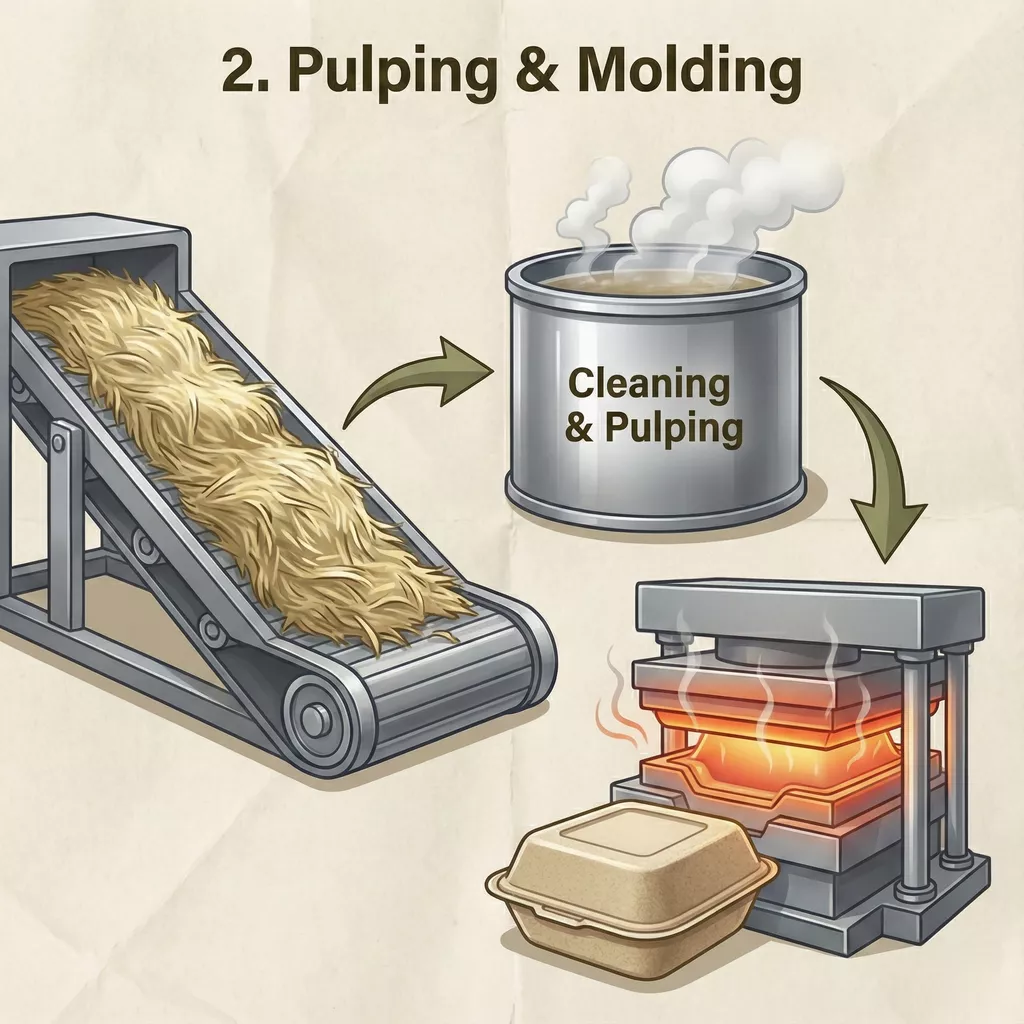
Bagasse has a higher density and rigidity than standard paperboard. This "moulded fibre" construction allows for secure-fit lids and stackability, which is essential for high-volume delivery drivers and kitchen storage.
Unlike Polystyrene (EPS), which can leach chemicals when in contact with hot or acidic foods, Bagasse is chemically inert. It does not affect the flavour profile of the food, ensuring a "clean" taste for the consumer.
| Technical Metric | Bagasse (Sugarcane) | EPS (Polystyrene) | Kraft Paper (Unlined) |
|---|---|---|---|
| Material Origin | Plant-based Byproduct | Petroleum-based | Wood Pulp |
| Microwave Safe | Yes | No (Leaching risk) | Limited |
| Grease Proof | High (Natural) | High (Synthetic) | Low (Needs lining) |
| UK Plastic Tax | 0% | Subject to Tax | 0% |
| End of Life | Industrially Compostable | Landfill | Recyclable |
Yes. Bagasse has a higher melting point than most takeaway plastics and offers better insulation. It also prevents food from becoming soggy by allowing excess steam to escape through the natural fibres.
Yes, authentic Bagasse is made from 100% sugarcane fibre. It does not require a plastic coating or wax lining to remain water-resistant, making it a "plastic-free" alternative under UK law.
Bagasse should be disposed of in food waste bins or organic recycling. Because it is often contaminated with food residue, it should not be placed in standard paper or cardboard recycling bins, as this can contaminate the recycling stream.
Yes. Bagasse remains stable at temperatures as low as -20°C, making it suitable for chilled storage and frozen meal-prep services.